
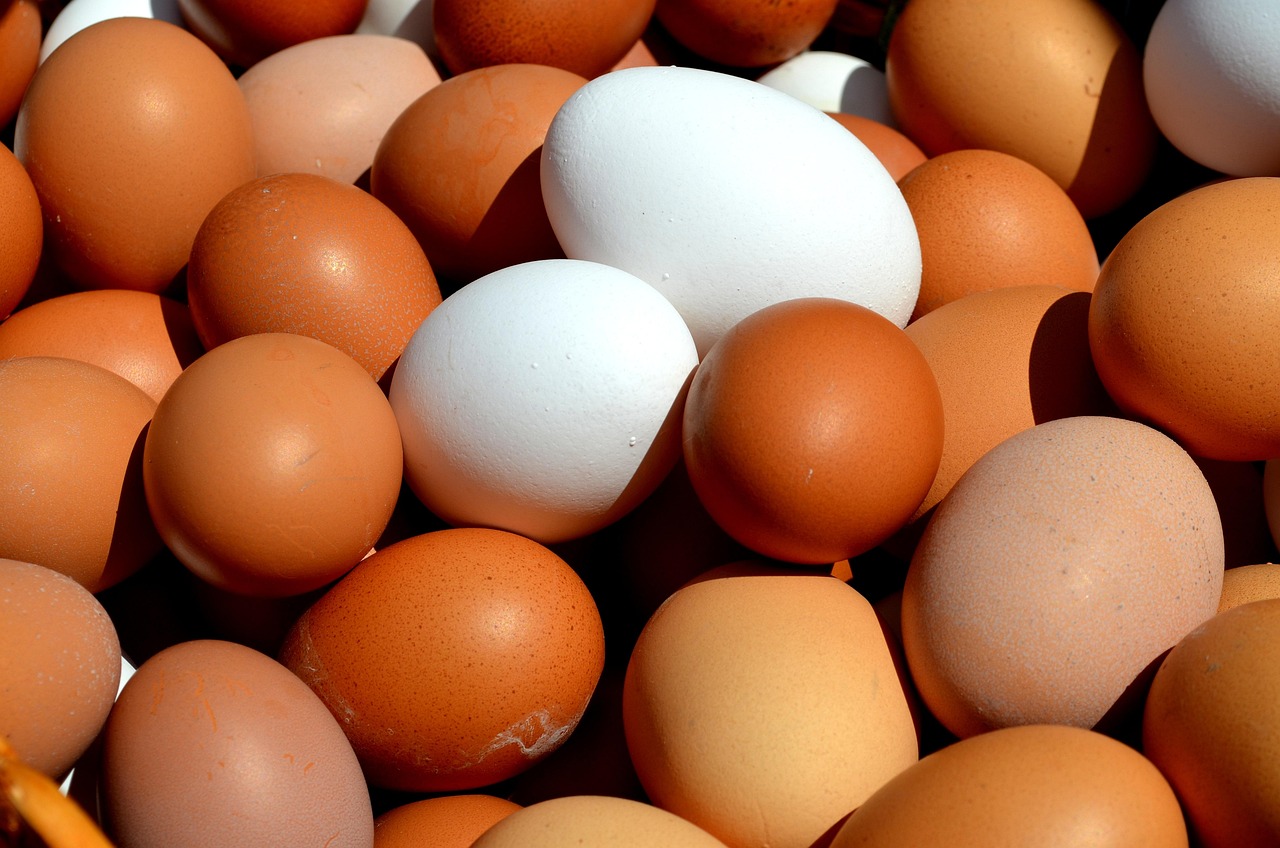
In the not-so-distant past, eggs were given a bad reputation due to their high cholesterol content. More recently, however, nutritional science has determined that the type of cholesterol is also important, and though eggs contain some LDL (bad) cholesterol, they contain HDL (good cholesterol), which is linked to reduced risk of cardiovascular disease. Eggs are also packed with important nutrients like choline, vitamin D, B vitamins, zinc, and vitamin K, as well as lutein, which is important for ocular health, and lots of protein.
Say bon voyage to winter with this week’s recipe for Gateau Basque, a traditional pastry from Basque Country, which straddles parts of southern France and northern Spain. It was sent to CCSA as part of a series of emails from our resident chef, Dr. Linda Doody.
“Life is short. Eat dessert first.”
― Jacques Torres
Gateau Basque
Dessert Person: Recipes and Guidance for Baking With Confidence
Claire Saffitz (2021)

Notes
Gateau Basque is a traditional French (Basque country) cake that is actually pastry cream encased in a cookie-like crust but baked in the shape of a cake or tart. It may also include cherries, cherry jam, other types of preserves, or raisins; the dough may include almonds. Although the pastry cream bakes inside the dough, it stays creamy, and the pastry remains crisp. The dough is essentially paté sucrée, which is similar to a sweet butter cookie or shortbread, and makes an excellent shell because it does not get soggy as easily as other pie/tart doughs.
The tart, covered and refrigerated, will keep up to 4 days but is best served on the first or second day (the pastry will soften over time). The cherry compote, covered and refrigerated, will keep up to 1 week. The pastry cream, covered and refrigerated, will keep for up to 5 days. The tart dough, wrapped and refrigerated, will keep up to 3 days, or it can be frozen up to 1 month. Let frozen dough thaw overnight in the refrigerator before using.
Ingredients
- Cherry Compote
- 12 ounces (340 g, or ~2½ cups) fresh or frozen, pitted sweet cherries (a cherry pitter comes in very handy)
- 2 Tbsp Luxardo, kirsch, brandy, or rum (Luxardo is a colorless, sweet, maraschino liqueur made from marasca cherries; kirsch is a sweet, colorless liqueur traditionally made from double distillation of morello cherries; brandy is a liquor produced by distilling wine; rum is a liquor made by fermenting and then distilling sugarcane molasses or sugarcane juice. Luxardo or kirsch really underscore the flavor of the cherries)
- 3 Tbsp sugar
- 2 Tbsp fresh lemon juice
- ¼ teaspoon cornstarch
- 2 teaspoons finely grated lemon zest (Meyer lemon preferred)
- Pastry Crust
- 2 cups all-purpose flour (9.2 oz/260 g), plus more for rolling out
- 1 teaspoon baking powder
- ¾ teaspoon Diamond Crystal kosher salt (the 2 dominant brands of kosher salt are not interchangeable; the same volume of Morton’s [dense cubes] is twice as salty as Diamond Crystal [light flakes])
- 10 Tbsp unsalted butter, room temperature
- ⅔ cup sugar
- 1 large egg yolk
- ½ teaspoon almond extract
- Butter and flour to prepare the tart pan
- Pastry Cream
- 2 cups whole milk
- 1½ teaspoons vanilla extract or paste or ½ vanilla bean (both pod and scraped out seeds)
- ½ teaspoon Diamond Crystal kosher salt
- ½ cup sugar
- ¼ cup (1 oz/30 g) cornstarch (measuring by weight is recommended)
- 5 large egg yolks
- 6 Tbsp unsalted butter, cut into ½-inch pieces, chilled
Instructions
- Cherry Compote
- In a small saucepan, combine the cherries, liquor/liqueur, and sugar and cook over medium-low heat, stirring occasionally, until the cherries have released their juices and the sugar has dissolved, about 5 minutes. Continue to simmer briskly, swirling the saucepan occasionally and adjusting the heat if necessary, until the cherries are soft and the juices are reduced to a thick syrup, 10–15 minutes. In a small bowl, stir together the lemon juice and cornstarch until smooth, then stir into the cherry mixture and bring to a simmer again for 20 seconds, just to activate the cornstarch. Remove the compote from the heat, stir in the lemon zest, and transfer to a 2-cup, heatproof, glass measuring cup. You should have about 1¼ cups of compote—a bit less is fine, but if there is more than an extra tablespoon or two, return it to the saucepan and cook a bit longer. Cover and refrigerate until the compote is cold and thickened, at least 1 hour. (If you want to streamline the recipe, use good-quality cherry preserves in place of the cherry compote.)
- Pastry Crust
- In a medium bowl, whisk the flour, baking powder, and salt to combine. Set aside.
- In a stand mixer fitted with the paddle attachment (or in a large bowl using a hand mixer), combine the butter and sugar and beat on medium-high speed, scraping down the sides of the bowl occasionally, until the mixture is light and fluffy, about 4 minutes. Turn off the mixer and scrape down the sides of bowl, then add the yolk, 1 whole egg, and almond extract. Beat on medium-high until the mixture has increased in volume and is lighter than before, about 2 minutes. Reduce the mixer speed to low and add the flour mixture in 2 additions, beating briefly in between to incorporate. Continue to mix just until no floury spots remain, about 20 seconds.
- Knead the dough inside the bowl a couple of times by hand, then divide it in half, making one piece slightly larger than the other. Wrap each piece in plastic, pressing the dough into ½-inch-thick disks, and refrigerate until cold, at least 2 hours).
- Pastry Cream
- Place a fine mesh sieve over the top of a large heatproof bowl and set aside.
- Combine the milk, vanilla (seeds and pod, extract, or paste), and salt in a medium, heavy-bottomed saucepan. Set the saucepan over medium-low heat and let the mixture come slowly to a simmer, whisking occasionally, to allow the vanilla to infuse into the milk.
- Meanwhile, combine the sugar, cornstarch, and egg yolks in a large bowl. Whisk vigorously until the mixture is very pale, light in texture, and thick, about 2 minutes (it will seem too thick to whisk at first but will thin out as you work it). Using a ladle and whisking constantly, slowly stream about half of the hot milk into the bowl with the egg mixture (this gradually raises the temperature of the eggs so they don’t curdle). Again, whisking constantly, quickly stream the egg mixture back into the saucepan with the remaining warm milk. Increase the heat to medium and continue to cook, still whisking constantly, until the foam has subsided and the pastry cream is thick like pudding and easily holds the marks of the whisk, about 3 minutes. It’s important that the mixture comes to a boil in order to activate the cornstarch, but at the same time the pastry cream should not be overcooked—when you pause whisking for about 5 seconds, a few thick bubbles should form beneath the surface and then pop. If this isn’t happening or the cream isn’t thickening, raise the heat slightly and keep whisking, pausing every 30 seconds to check if it’s bubbling. Scrape the cooked pastry cream into the mesh sieve and use the whisk to press the mixture through it into the bowl below (discard any solids). Whisk the cold butter into the hot pastry cream one piece at a time until smooth. Press a sheet of plastic wrap directly onto the surface of the pastry cream and refrigerate until cold, at least 4 hours.
- Gateau Basque
- Lightly butter the bottom and sides of a 9-inch removable-bottom tart pan, then dust it all over with flour. Tap out the excess and set the pan aside.
- Remove the larger piece of dough from the refrigerator (this piece will be pressed into the bottom of the pan; leave the other piece of dough in the refrigerator for the top). Use a knife or bench scraper to cut the dough in half, then cut one half into 6 pieces. Roll the pieces beneath your palms on the work surface to form ropes that are about ½-inch thick, then arrange the strips around the inside perimeter of the prepared pan, overlapping slightly so there are no gaps. Using a lightly floured, straight-sided, 1-cup dry measure, press the dough against the sides all the way around so it extends slightly above the top of the pan. Using lightly floured hands, press the other half of the dough into and across the bottom of the pan in an even layer. Where the bottom meets the sides, smooth and press the dough together to seal. For an extra smooth, even surface, use the floured, straight-sided 1-cup dry measure to flatten the bottom. Refrigerate the pan until the pastry is cold, about 20 minutes.
- Meanwhile, roll out the second disk of dough on a lightly floured piece of parchment paper into a 10-inch round, frequently flipping the dough and dusting with more flour as needed (this dough is delicate and will soften quickly; if it starts to stick, put it back in the refrigerator). Slide the dough, still on the parchment paper, onto a plate and refrigerate while assembling the tart.
- Arrange an oven rack in the center position and preheat the oven to 350°F. Line a rimmed baking sheet with foil.
- Scrape the cold cherry mixture into the bottom of the chilled tart crust, arranging the cherries and syrup evenly across the surface. Whisk the pastry cream until it’s smooth and then dollop it over the cherries, spreading with the back of a spoon or a small offset spatula into an even layer all the way to the edges (it’s okay if some syrup pools around the sides). Beat the remaining whole egg in a small bowl and use a pastry brush to lightly coat the inner edge of the tart dough with a thin layer of egg (just above the pastry cream). Slide the cold dough round off the parchment paper onto the tart. Press gently on the center, moving out to the edges to eliminate air pockets between the pastry and the cream. Press firmly on the edges of the dough so the top crust adheres to the sides, and pinch off the overhang. Brush more egg across the surface of the top crust, then gently scrape the tines of a fork across the top to create a decorative crosshatch pattern. Refrigerate the tart again until cold, 15–20 minutes.
- Bake the tart on the lined baking sheet until the top is shiny and deep golden brown, 45–55 minutes. Let the tart cool completely (preferably up to a full day) before removing the outer ring and serving. It should be kept in the refrigerator after that.