
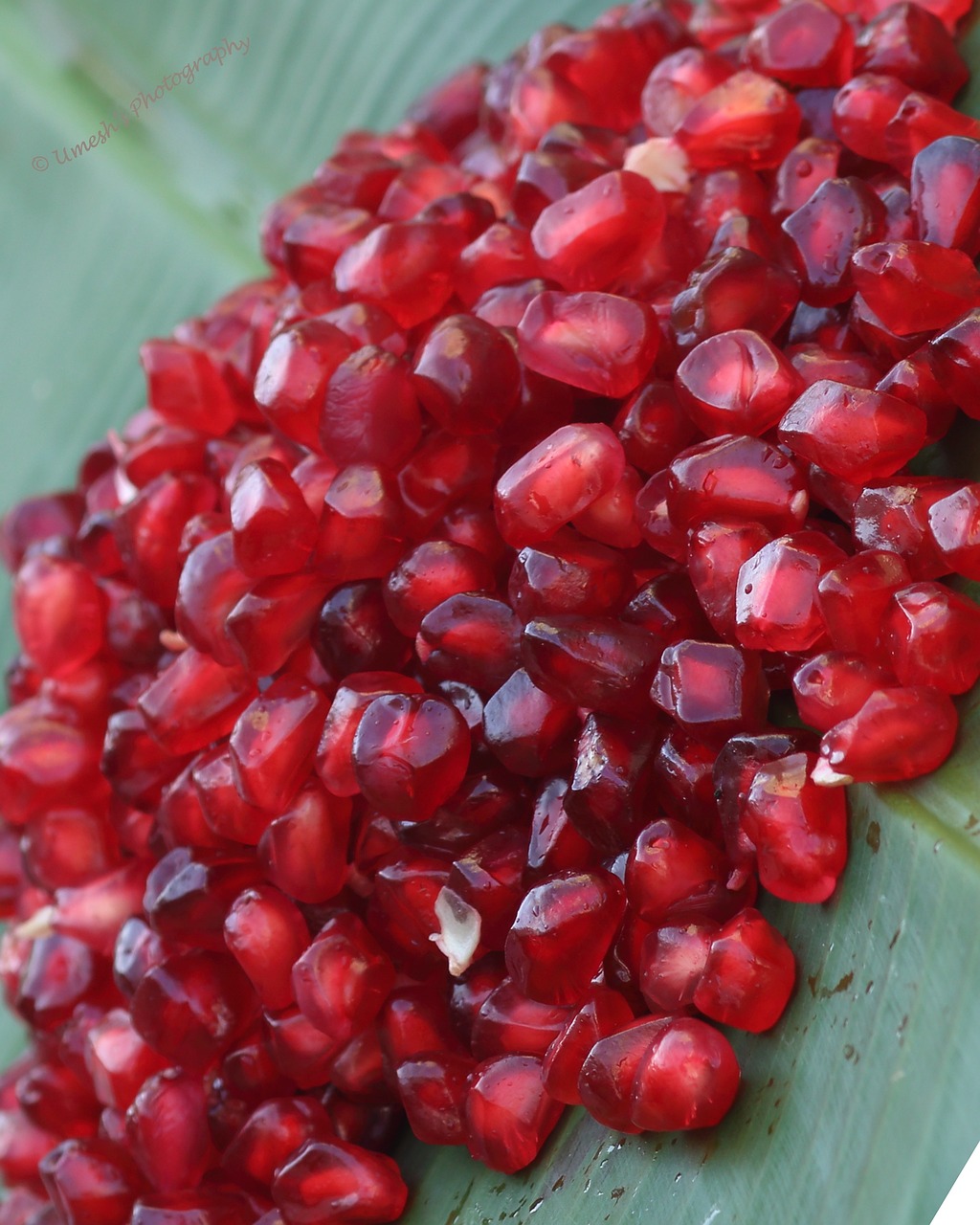
Pomegranates are packed with vitamin C and phytonutrients that enhance skin health and may even help prevent cancer.
This week’s recipe for Chiles en Nogada combines savory, sweet, and heat in a celebration of Mexican independence. It was sent to CCSA as part of a series of emails from our resident chef, Dr. Linda Doody. She began sharing her extensive collection of favorite recipes with friends, family, and the CCSA team as a means of maintaining connections during the COVID-19 pandemic and it has since become a company tradition.
“I know once people get connected to real food, they never change back.”
–Alice Waters

Notes
Chiles en nogada translates to chiles in walnut sauce, which is one of the famous dishes of Mexico. Don Agustín de Iturbide and his followers led the final revolt against Spanish domination in the Mexican War of Independence, and as self-proclaimed emperor he signed the Treaty of Córdoba on August 24, 1821. The dish is said to have been concocted by the grateful people of Puebla for a banquet 4 days later in honor of his saint’s day. All dishes had ingredients with the colors of the Mexican flag (green, white, and red); chiles en nogada has green from the chiles, white from the sauce, and red from the pomegranate seeds.
Ingredients
- Nogada (Walnut Sauce)
- 20 to 25 walnuts, shelled (the walnuts should be very fresh)
- 1 small piece white bread without crust
- ¼ pound farmer cheese
- 1½ cups thick sour cream
- ½ teaspoon salt or 1½ Tbsp sugar (this is entirely a matter of taste, depending on whether you prefer the sauce to be slightly salty or slightly sweet)
- Large pinch powdered cinnamon (optional)
- Chile Peppers
- 6 poblano peppers (poblano peppers are large [3–6-inches long, 2–3 inches wide], heart-shaped, and very dark green in color. They are generally mild in heat, although some can be hotter)
- Picadillo (Filling)
- 3 pounds boneless pork (this can be an inexpensive cut such as the shoulder [e.g., country-style ribs])
- 1 onion, peeled and halved
- 5 cloves garlic, 2 peeled and 3 peeled and finely chopped
- 1 Tbsp salt or to taste
- 6 Tbsp lard or reserved fat from the pork broth Shortening can be substituted
- 8 peppercorns
- 5 whole cloves
- ½-inch cinnamon stick
- 3 Tbsp raisins, heaped
- 2 Tbsp blanched slivered almonds
- 2 Tbsp acitrón or candied fruit, chopped (acitrón is made of crystallized paddle leaf pulp from a very large barrel cactus [Echinocactus grandis] that is now endangered. Alternatives include candied pineapple, papaya, or citron)
- 2 teaspoons salt or to taste
- 1 pear, chopped (apple can be substituted)
- 1 peach, chopped
- 1¼ pounds tomatoes, peeled and seeded (fresh in-season tomatoes are recommended, but canned can be used)
- Chiles en Nogada
- Small bunch Italian parsley
- Seeds of 1 small pomegranate
Instructions
- Nogada (Walnut Sauce)
- On the day before the sauce is prepared, cover the walnuts with boiling water and let them soak for 5 minutes. (If you let them soak too long the skin will become too soft and more difficult to remove.) Remove the thin papery brown skin. Cover the walnuts with cold water and let them soak overnight.
- On the next day, blend all the ingredients until smooth.
- The sauce can be prepared the day before serving.
- Chile Peppers
- Put the peppers under the broiler or over the flame of a gas burner and let the skin blister and burn. Turn the peppers from time to time so that they do not burn through. Wrap the peppers in a damp cloth or place them in a plastic bag and leave for about 20 minutes. (The steam cooks the flesh a little more and the burned skin will flake off very easily.)
- Make a slit in the side of each pepper and carefully remove the seeds and veins; be careful to leave the top of the chile, the part around the base of the stem, intact. Rinse the peppers, peeling off the burnt skin, and pat them dry.
- Picadillo (Filling)
- Slice one half of the onion. Cut the pork into large cubes. Put the meat into a large saucepan with the sliced onion, 2 cloves peeled garlic, and 1 Tbsp salt, and cover with cold water. Bring to a boil, lower the heat, and let simmer until the meat is just tender, about 40 to 45 minutes. Do not overcook. Leave the meat to cool off in the broth.
- Strain the meat, then chop it finely and set aside. Let the broth cool completely and skim off the fat, reserving it if desired. (The broth can be saved for other uses.)
- Chop the other half of the onion. Melt the lard or reserved pork fat in a large frying pan and cook the onion and the 3 finely chopped garlic cloves, without browning, until soft. Add the meat and let it cook until it begins to brown. Roughly crush the spices (peppercorns, cloves, cinnamon stick) and add them with the rest of the ingredients (except the tomato) to the meat mixture. Cook the mixture a few minutes longer. Mash the tomatoes a little and add to the mixture in the frying pan. Continue cooking the mixture over high heat for about 10 minutes, stirring from time to time so that it does not stick. It should be almost dry.
- The filling can be made the day before serving.
- Chiles en Nogada
- Stuff the prepared peppers with warm picadillo so that they are well filled. Plate the filled peppers, cover with the sauce, and garnish with parsley leaves and pomegranate seeds.